

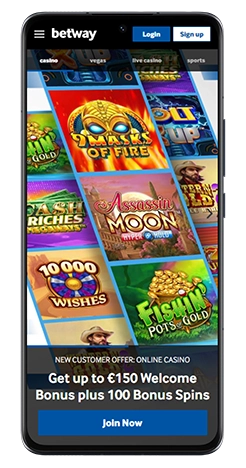
For Canadian adults who prefer a phone or tablet, the main choice is often between a responsive browser site and a downloadable app. The available material describes Betya as a browser-based mobile casino rather than a confirmed native iOS or Android application. That distinction affects convenience, privacy, updates and how easily you can manage an account while moving between devices. If you are researching the phrase betya casino no deposit, treat any offer or access information as something to verify against the operator’s current terms, jurisdiction rules and device experience before committing funds.
Browser access keeps the setup comparatively simple
A mobile browser does not require an installation package, app-store listing or additional storage. You open the casino website in a current browser on an iOS or Android phone or tablet, then use the same account credentials available on desktop. This can be useful if you switch between devices, share a tablet with household members or prefer not to add gambling software to your home screen. It also avoids the uncertainty that can arise when an app is unavailable in a particular region or has been removed from a store.
The source material identifies responsive browser access for registration, login, deposits, withdrawals, account controls, slots, sportsbook functions and live dealer streams. That suggests the mobile experience is intended to adapt its layout to a smaller display rather than provide a reduced, information-only version. Menus, buttons and game windows should still be assessed on your own phone, however. A responsive design may work well on one screen size while feeling cramped on another, especially when live video, chat or payment forms are open together.
Browser access also makes it easier to leave without a permanent app icon or background permission. The trade-off is that you must remember the web address, maintain a supported browser and deal with ordinary browser issues such as cleared cookies, private browsing restrictions or an outdated operating system. Before signing in, check the address bar carefully and avoid using links received through unsolicited messages. A browser-based service is not automatically safer than an app; security still depends on the device, connection and account habits.
What changes when there is no confirmed native app?
A native application is normally installed through an official app store or a clearly documented package. The available material does not identify a dedicated native casino app for either iOS or Android. Therefore, readers should not assume that an application found under a similar name is official. Downloading an unverified file can expose login details, payment information or personal documents, particularly if it requests unusual permissions or directs you away from standard device security controls.
The absence of a confirmed native app is not necessarily a major disadvantage. Many modern mobile websites can remember preferences, support full-screen game views and perform well on recent phones. They may also receive improvements on the website without requiring a separate app update. In return, the browser may not offer native push notifications, biometric shortcuts, offline screens or the same degree of integration with a phone’s operating system. Those differences matter more for convenience than for the basic ability to browse or manage an account.

Use the browser route as the default unless the operator itself clearly confirms an official application through a reliable, current channel. Do not treat an app icon, an advertisement or a third-party download page as proof. The Canadian government’s Get Cyber Safe guidance offers general advice about protecting accounts and devices online; it does not verify casino services or their availability. Apply the same caution to browser extensions, QR codes and “special mobile” downloads that promise extra rewards.
Check the small-screen experience before using account tools
Mobile browsing is most useful when essential tasks remain readable and controllable. Test whether the login fields, menu navigation and password-recovery option fit the screen without repeated zooming. A crowded interface can increase the chance of selecting the wrong game, entering an incorrect amount or submitting a form before reviewing it. If the page behaves oddly, close extra tabs, update the browser and try a stable connection rather than repeatedly refreshing a payment or withdrawal screen.
Account management deserves particular attention. The supplied information says mobile access includes deposits, withdrawals and account controls, while the account area can show identity status, transaction and bonus balances, reward progress and responsible-gambling settings. Look for deposit limits, cooling-off periods, time-outs and self-exclusion tools before playing. These controls are more valuable when they are easy to find from a phone, because a user should not need a desktop computer to pause activity or review recent transactions.
Live dealer content and sports pages may place heavier demands on a mobile connection than standard game menus. Video streams can consume data, while rotating a device or switching networks may interrupt a session. Use a private, trusted connection and avoid public Wi-Fi when entering personal or financial information. If the phone is lost, use a screen lock and avoid saving credentials in a shared browser. Convenience should not mean leaving an active account open on a device other people can access.
Decide between phone, tablet and desktop by task
A phone is usually the most convenient option for short account checks, reading messages, reviewing balances or applying a pre-existing limit. Its portability is useful, but the smaller display can make detailed terms, verification requests and transaction histories harder to inspect. A tablet offers more room for menus and live streams while retaining touch controls. It can be a reasonable middle ground when a desktop is unavailable, provided the operating system and browser remain current.
Desktop browsing is often preferable for careful reading and document handling. Identity checks may request a government-issued photo ID, proof of address or payment ownership evidence. The source material says documents can be submitted through the account area or support, with card copies showing only the first six and last four digits. A larger screen makes it easier to review what is visible before submission. Never email extra personal data merely because a message claims that it will speed up verification.
Use the device that matches the task rather than assuming mobile is always better. For example, a phone may suit a quick limit review, while a larger screen may be more practical for comparing terms or checking a document upload. If you move between devices, sign out of shared hardware and confirm that the browser has not retained sensitive information. Avoid third-party funding as well: the supplied material states that payment methods must belong to the account holder, so convenience should not override ownership requirements.
Protect convenience with a short pre-use checklist
Before relying on mobile browsing, confirm that the phone has current security updates, a screen lock and a reputable browser. Use a unique password for the account and keep recovery email access protected. If the service offers a remembered-login option, consider the risk of anyone else using that phone. Do not save credentials on a public or shared device, and do not use a work device if its administrator can inspect browsing activity or installed password managers.
Next, check the practical conditions that can change by account or jurisdiction. The source material indicates that availability, currencies, payment methods, promotions and verification requirements may vary. Canadian-dollar support is described, but that does not establish that every method or offer is available to every Canadian user. Read the current terms shown in the account and cashier areas, and confirm any minimums, fees, processing stages or document requests before making a financial decision.
Finally, decide what would make you stop. A page that cannot load securely, an unexpected app download, unclear ownership checks or pressure to act quickly are all reasons to pause. Set any desired deposit, wager or loss limits before browsing games, not after a session has begun. If access problems arise, use the listed support channels rather than an unofficial social-media account. A smooth mobile layout is helpful, but transparent information and control over your own account matter more.
Mobile browsing FAQ
Is a separate mobile app required?
No. The available information describes responsive browser access on current iOS and Android phones and tablets, including account functions, games and live streams. It does not identify a confirmed native app. Use the official website route and avoid downloading similarly named files from third-party pages unless an official source clearly verifies them.
Can mobile users manage responsible-gambling settings?
The supplied material says account tools include deposit limits, cooling-off periods, temporary time-outs, self-exclusion and account closure. These controls should be available through the account area, although presentation can vary by device. Review the current settings and terms, and contact support if a control is missing or unclear.
Is public Wi-Fi suitable for mobile casino access?
Public Wi-Fi is not ideal for entering login, identity or payment information because you cannot control the network’s security. A trusted private connection, current device software, a screen lock and a unique password provide better protection. If a connection changes unexpectedly, stop and verify the page before continuing.